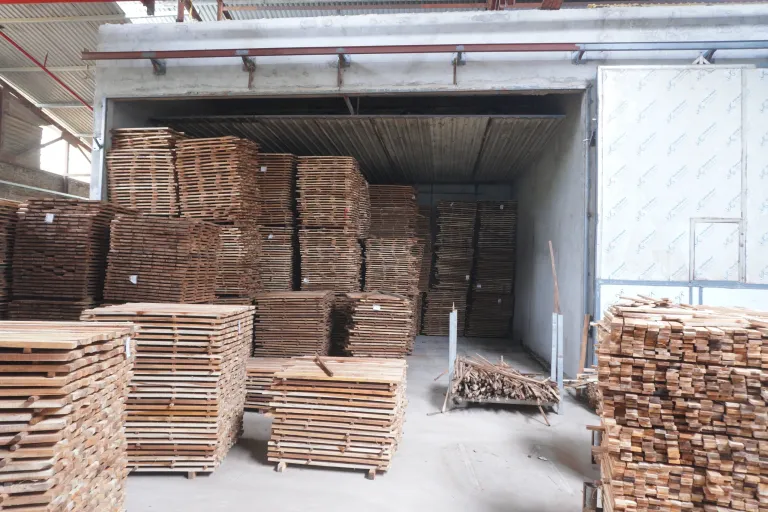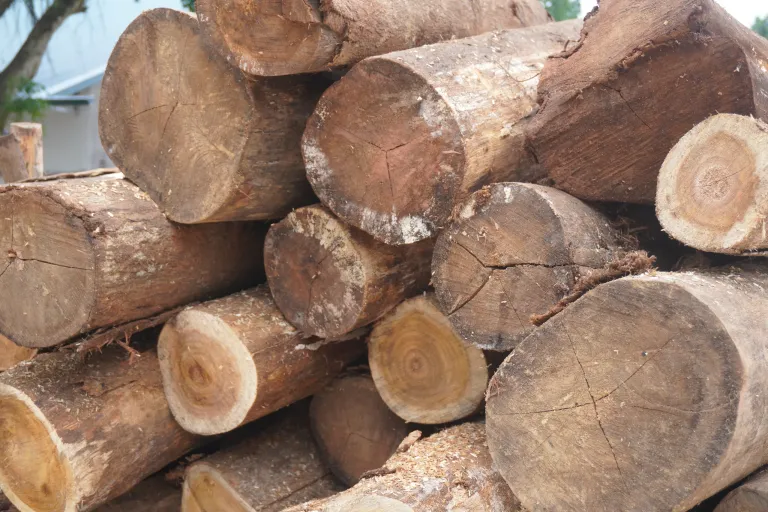
Good wood products export packaging does three jobs: it protects surfaces on a long sea voyage, it lets the container be loaded and unloaded efficiently, and it gives customs and your warehouse the paperwork they expect. This guide explains how THH Furniture Vietnam packs and loads acacia products for export, which documents you should expect with each shipment, and what to put in your RFQ.
Packaging is specified per order, so read what follows as the typical pattern rather than a fixed rule. Anything that matters to your warehouse or retail channel, such as carton print, pallet size or label content, should be agreed before production starts.
Wood products export packaging by product type
Each product family travels differently. Boards and panels are heavy and flat, decking tiles are cartoned for retail, and folding furniture is designed to pack small.
| Product family | Typical packing | Why it matters |
|---|---|---|
| Boards and panels | Palletised, PE/POF shrink wrap; slip sheets on finger-jointed and full-length panels; strapped stacks | Protects faces and edges, keeps stacks square |
| Decking tiles | 3-ply brown carton box | Retail-ready cartons that stack on pallets |
| Outdoor furniture | Carton box, flat-packed (for example the folding bistro set) | Compact cartons, efficient container loads |
| Export pallets | ISPM-15 treated | Wood packaging accepted at destination |
Stretch wrap, shrink wrap and strapping
Panel bundles are wrapped so that dust, moisture and handling marks stay off the sanded surface, then strapped so the pack behaves as one unit under a forklift. Wrapped bundles carry identification labels, and slip sheets on finger-jointed and full-length panels help keep pallet volume tidy. Kraft paper and 3-ply carton boxes are used where the product ships cartoned.
Flat-packed cartons and retail packaging
For furniture, flat-packing is a logistics decision as much as a packaging one. Pieces that fold or knock down need less container volume per set. If you sell through retail, cartons can be printed and labelled to your standard, including colour labels to GMI / Delta E 2.0, barcodes and private label.
ISPM-15 pallets and the fumigation certificate
ISPM-15 is the international standard for treating and marking wood packaging such as pallets and dunnage. Under it, wooden packaging is typically heat-treated or fumigated and carries a mark showing that it was treated. THH export pallets are ISPM-15 treated, and the fumigation / phytosanitary certificate is part of the shipping document set.
When your consignee or customs broker asks about pallet treatment, check that the pallets are marked and that the certificate matches the shipment. The International Plant Protection Convention (IPPC) publishes the standard itself. One point to note: pallets are outside the FSC scope, so an FSC claim applies to the products, not to the pallets they sit on.
Labelling and batch codes
Wood products export packaging should tell your receiving team what each pack is without opening it. Labels typically show the item, grade and quantity, and you can add the fields your warehouse system needs, such as your purchase order number or SKU.
Batch codes go one step further. They link each carton or pack back to the production records, so a question about moisture, grade or dimensions can be traced to a specific batch. Packing photos and QC records are available on request. The full route from log to sealed container is described on our forest to shipment page.
Container inspection, loading and lashing
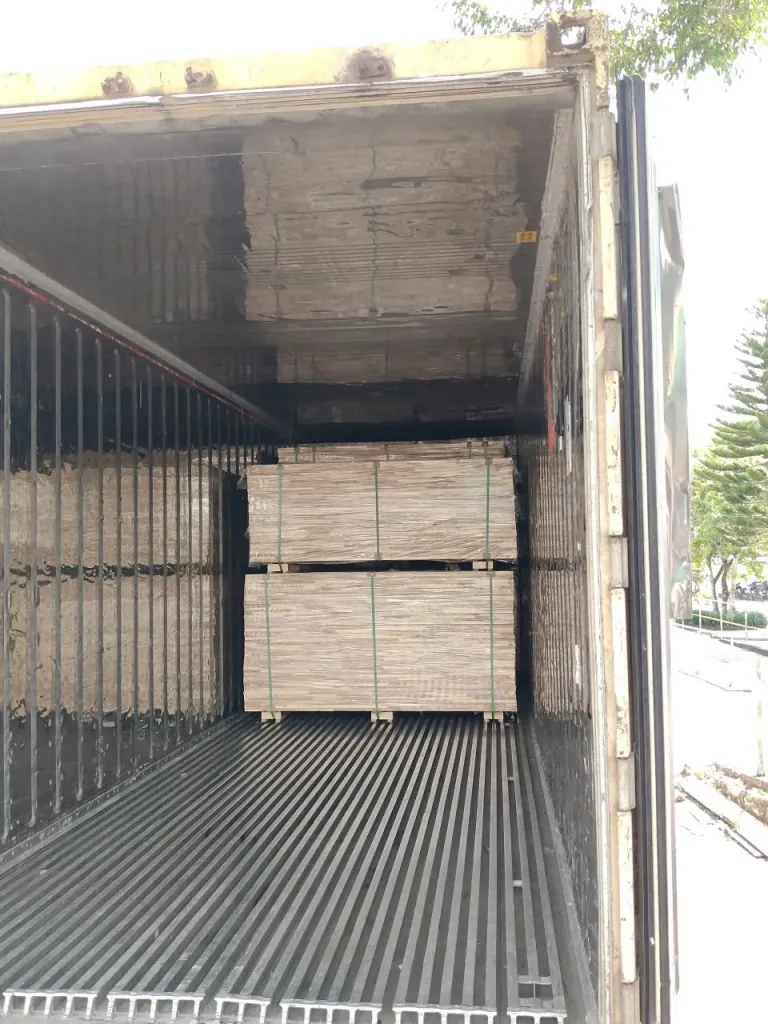
Container loading follows the same sequence on every shipment. The photo set from recent loadings shows each step.
- Empty container inspection. Floor, walls and doors are checked clean and dry before anything goes in.
- First pallet. Loading starts from the far end of the container, following the loading plan.
- Stuffing to plan. Wrapped pallets are stacked to the plan to use the available volume.
- Lashing at the door. Straps are fitted across the door end so the load does not shift at sea.
- Doors closing. Doors are closed and locked over the secured load.
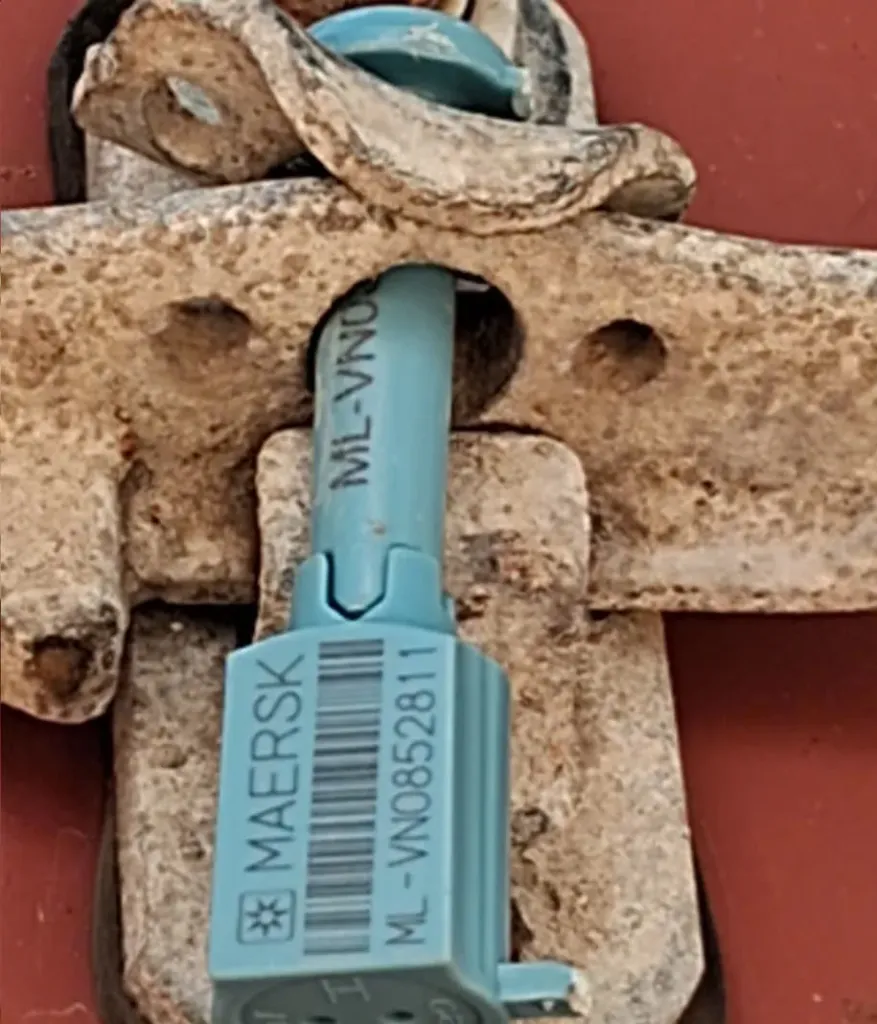
- Bolt seal. A bolt seal is fitted to the door lock and its number is recorded on the documents.
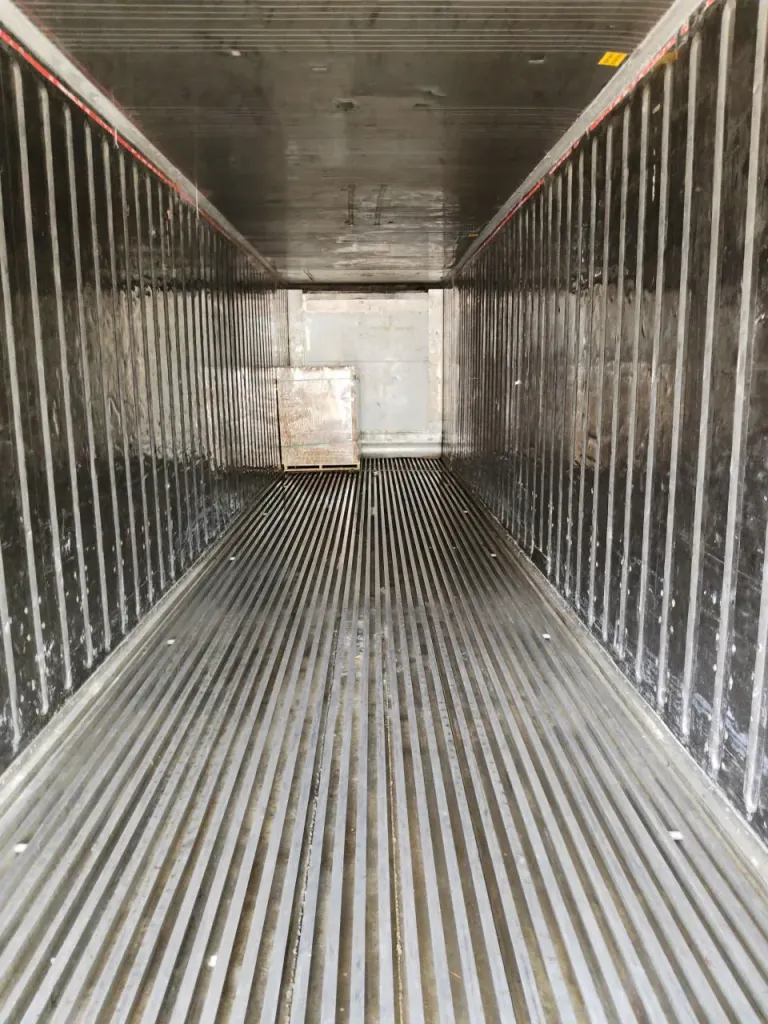
Ask for the loading photos with your order if your team wants visual confirmation of each stage. More detail on our export set-up is on the packaging and export capability page.
Export documents you should expect
Each shipment comes with a complete document set. Check it against your importer’s checklist before the vessel sails, not after it arrives.
- Commercial invoice and packing list
- Certificate of origin (CO)
- Fumigation / phytosanitary certificate
- FSC claim on the invoice when the order is placed as FSC 100%
- Batch codes, QC records and packing photos on request
An FSC claim on the invoice is what carries certified status from supplier to buyer, so it must be requested when you order. Our FSC licence is FSC-C226314 (certificate SA-COC-016121), covering FSC 100% Acacia mangium and hybrid on the product schedule. FSC is available on request, while plywood and pallets are not in scope.
What to specify in your RFQ
A short, complete brief lets us quote wood products export packaging and loading correctly the first time. Include:
- Destination port and your preferred Incoterm
- Products, quantities and shipment frequency
- Packing type: pallets or cartons, retail or bulk, label and barcode requirements
- Pallet requirements, including ISPM-15 treatment
- Whether the order is FSC 100% (so the claim is on the invoice)
- Your market, so the kiln-drying moisture target is set correctly
- Any documents your importer or customs broker requires
Minimum order quantities and lead times are confirmed with your quotation.
Frequently asked questions
Are your export pallets ISPM-15 treated?
Yes, our export pallets are ISPM-15 treated, and the fumigation certificate is included in the shipping documents. If you need a specific pallet size or load rating, state it in your RFQ.
Can I combine different products in one container?
Yes. Mixed shipments, such as boards with decking tiles or furniture, are possible. The loading plan is confirmed with your quotation.
Do I get packing photos of my shipment?
Packing photos and QC records are available on request. Tell us at order stage so they are taken for your batch.
Does the FSC claim cover the pallets?
No. Pallets and plywood are outside our FSC scope. The FSC claim on the invoice applies to eligible acacia products ordered as FSC 100%.
If you are planning an order and want wood products export packaging matched to your channel, send us your RFQ with the destination port, Incoterm preference and packing requirements. We reply within 24 hours, Monday to Friday (GMT+7).